

Sleep Apnea
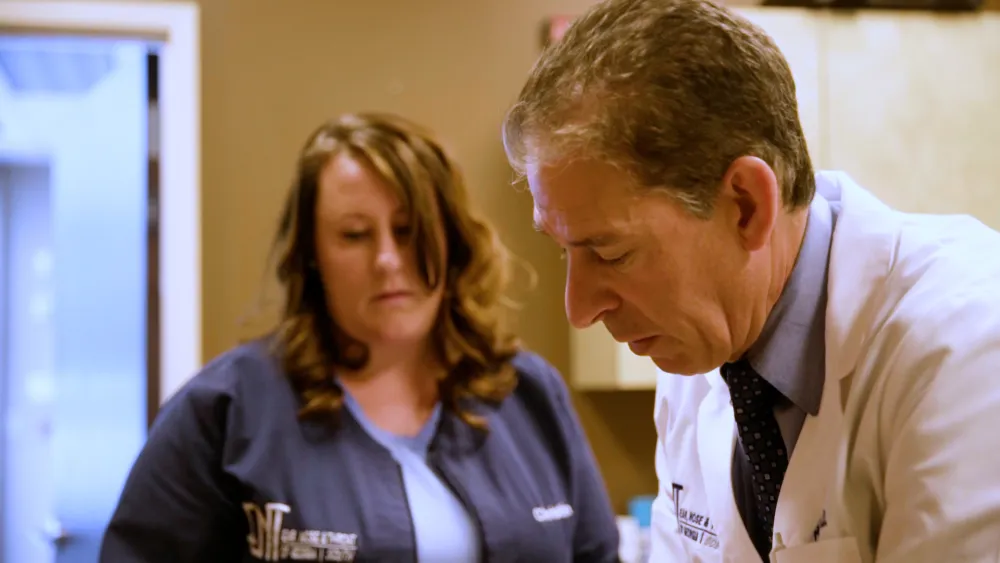
If you or a loved one is experiencing chronic snoring, dry mouth upon waking or pauses in breathing during sleep, sleep apnea could be the cause.
Don't wait to seek a diagnosis: Sleep apnea can have significant health implications.
The double board certified physicians at ENT of Georgia South can accurately determine if you have sleep apnea and recommend a proactive treatment approach.
What is
Obstructive Sleep Apnea?
While snoring may be bothersome for bed partners, it can also serve as a potential sign of a larger issue—obstructive sleep apnea. This condition goes beyond mere disruption and significantly diminishes the quality of sleep for the individual. Understanding the connection between snoring and sleep apnea is essential for addressing its impact on your overall sleep experience.
OSA is when a person stops breathing during sleep because his or her airway collapses and prevents air from getting into the lungs.
The cycle of OSA starts with snoring. The airway then collapses or closes off. The person tries to breathe but is unable to get air into the lungs through the collapsed airway and breathing stops. This is called an apnea. The brain recognizes that it is not getting enough oxygen and wakes the person from a deep level of sleep to a lighter level of sleep.
The airway opens and normal breathing occurs. The person falls back into a deeper sleep, begins snoring, and the cycle repeats. This may happen many times during the night. The low oxygen levels, and the effort required to breathe during the night, put a strain on the cardiovascular system. The person never feels rested because he/she never has normal sleep. The person has daytime sleepiness and may fall asleep at inappropriate times like at meetings, watching television, and while driving.
OSA is more common than people think. More than 18 million people have OSA and many more remain undiagnosed and untreated. Untreated, patients with OSA are at risk for hypertension, stroke, enlarged heart, irregular heart rhythm, heart attack, and other conditions.
Symptoms of Sleep Apnea
- Chronic snoring
- Dry mouth upon waking
- Gasping or choking during sleep
- Pauses in breathing during sleep
- Worsening of high blood pressure
- Worsening of Atrial fibrillation/irregular heartbeat
- Morning headaches
- Difficulty concentrating
- Depression
- Irritability
- Memory loss
- Sexual dysfunction
- Mouth breathing
- Damaged blood vessels
Sleep deprivation caused by sleep apnea can result in:
-
Daytime sleepiness
-
Mood swings
-
Lack of concentration and energy
-
Unsafe driving
-
Weight gains
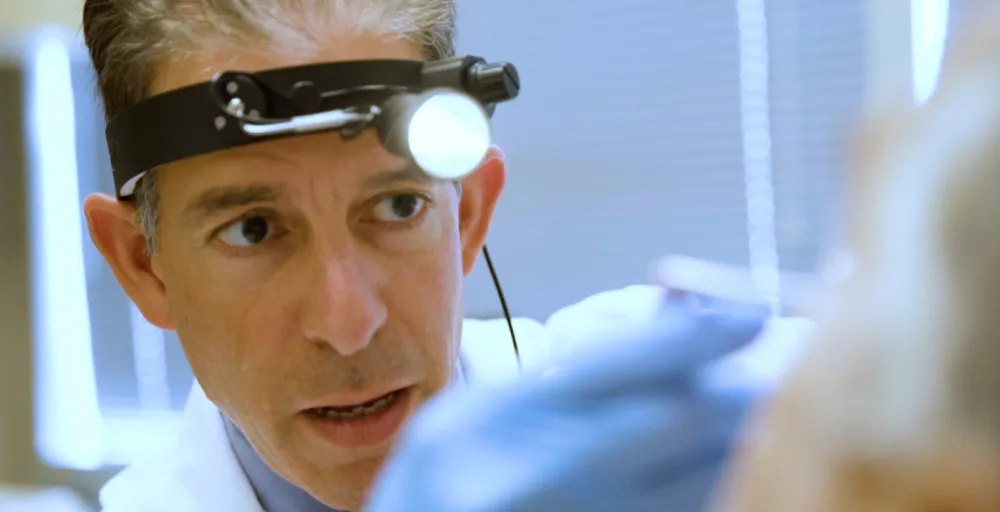
The evaluation begins with asking the right questions. Patients at risk undergo an overnight sleep study where they are monitored.
Understanding the severity of sleep apnea is crucial for effective management and improved well-being. If you suspect sleep apnea, take a proactive step by scheduling an appointment at one of our 3 convenient locations.
Our expert physicians will assess your condition and determine your eligibility for our at-home sleep testing kit. Oftentimes, we can diagnose your condition without the need for an in-office visit, or without you having to visit a sleep study center.
Options for Managing Sleep Apnea
From there, we'll recommend personalized sleep apnea treatment plan. We offer a variety of sleep apnea treatments depending on the severity, check out the video to learn more! We also encourage you to hear from some of our patients below.
The most accepted and effective treatment is Continuous Positive Airway Pressure or CPAP. CPAP is almost always used to treat OSA first. CPAP treats OSA by providing a gentle flow of air through a nasal mask to keep the airway open during sleep. It has to be worn permanently unless circumstances change.
Other treatment includes surgery. Surgery may involve procedures such as a septoplasty, tonsillectomy, or palatal surgery. It may also involve tongue advancement or reduction. Finally, surgery can become very complex with major jaw surgery or tracheotomy. These treatments may be effective in some individuals. Your ENT physicians are experts in this area and are up to date with the most modern and effective techniques.
All patients with OSA need to think of lifestyle changes similar to patients with hypertension or diabetes. Lifestyle modifications include weight loss, exercise, diet, sufficient and regular sleep, avoidance of alcohol, sedatives, hypnotics, and tobacco. Patients need to take an active role in their treatment.
With therapy, breathing becomes regular, oxygen levels are normal, sleep is restored, quality of life is improved, and risk of cardiovascular disease is reduced.
Hear from
OUR PATIENTS

Brian
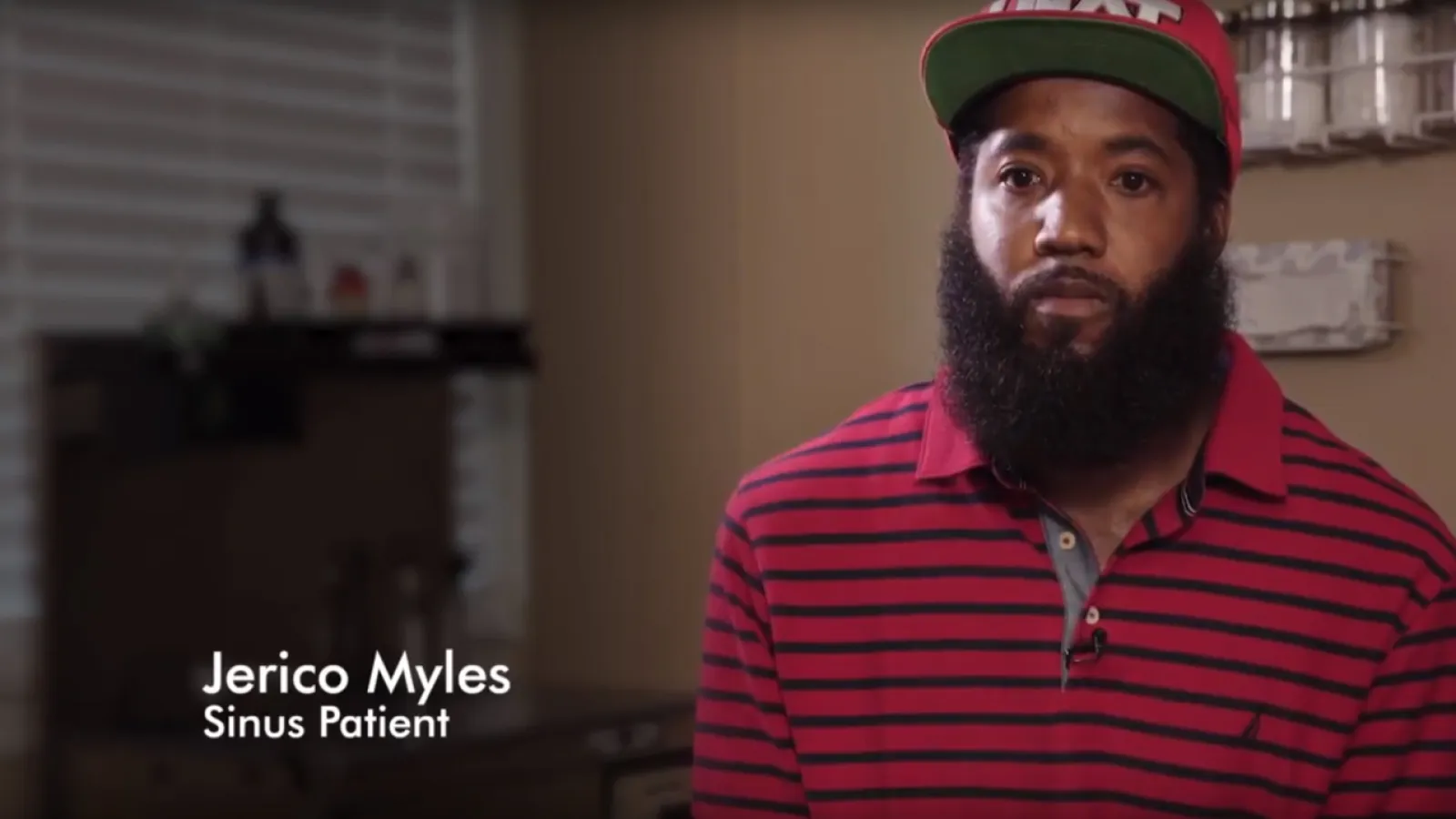
Hear from a patient of Dr. Herman at ENT of Ga South on his journey of snoring and sleep apnea. He went from struggling with sleep studies having to use a CPAP to now getting a restful night sleep without a CPAP machine. The state of the art in-office procedures provided lasting relief with little downtime.
Sleep Services Offered by Your ENT Surgeons Include:
- Multiple office locations
- Home sleep testing
- CPAP initiation, coordination, and management
- Allergy testing and treatment
- Office Diagnostic Laryngoscopy
- Oral appliances
- Modern office-based snoring surgery
Surgery/Office Procedures:
- Septoplasty, turbinate reduction, nasal valve surgery, rhinoplasty
- Balloon Sinuplasty
- Computer Image Guided Sinus Surgery
- Tonsillectomy, adenoidectomy
- UPPP
- Tongue base advancement
- Radiofrequency palate/tongue reduction
Sleep Apnea
Risks
Sleep apnea isn't just about snoring; it's linked to serious health risks. This includes a heightened risk of conditions from hypertension to heart failure. Treating sleep apnea is crucial for safeguarding your health against these potentially severe complications.
More serious complications of sleep apnea include:
- Cardiac arrhythmias
- Congestive heart failure
- Depression
- Diabetes
- Frequent urination
- Heart attacks
- Hypersomnia
- Hypertension
- Memory loss
- Sexual dysfunction
- Stroke







Our Convenient
Office Locations
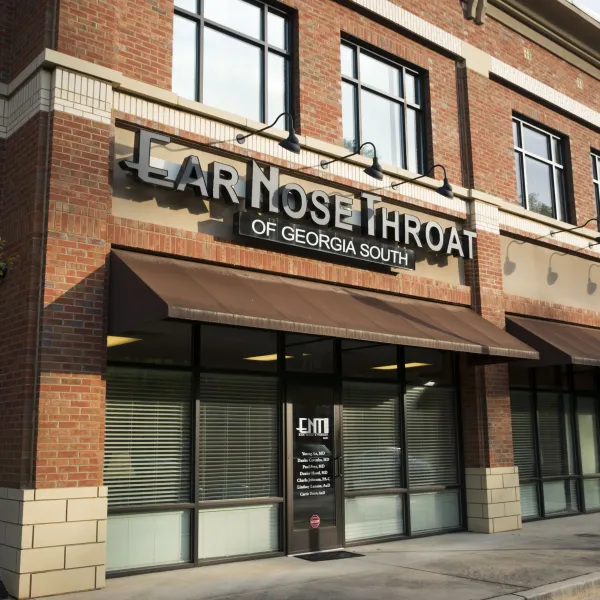

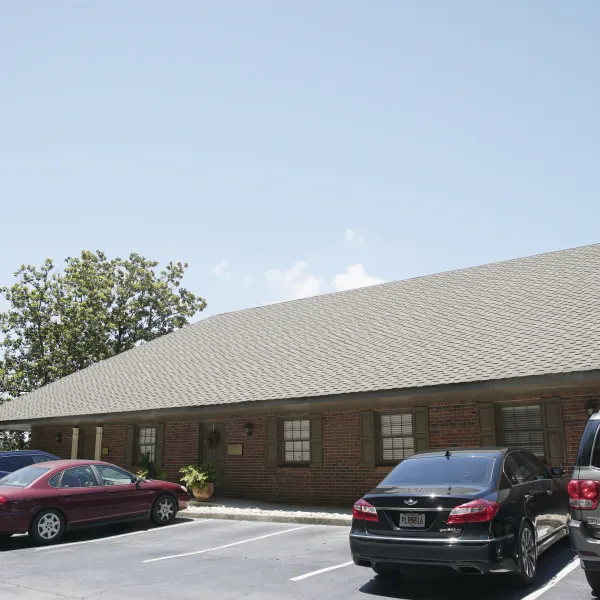
Buckhead
1218 W Paces Ferry Rd NW
UNIT 208
Atlanta, GA 30327
Monday - Thursday 8am - 4:30pm
Friday - 8am-2:30pm