
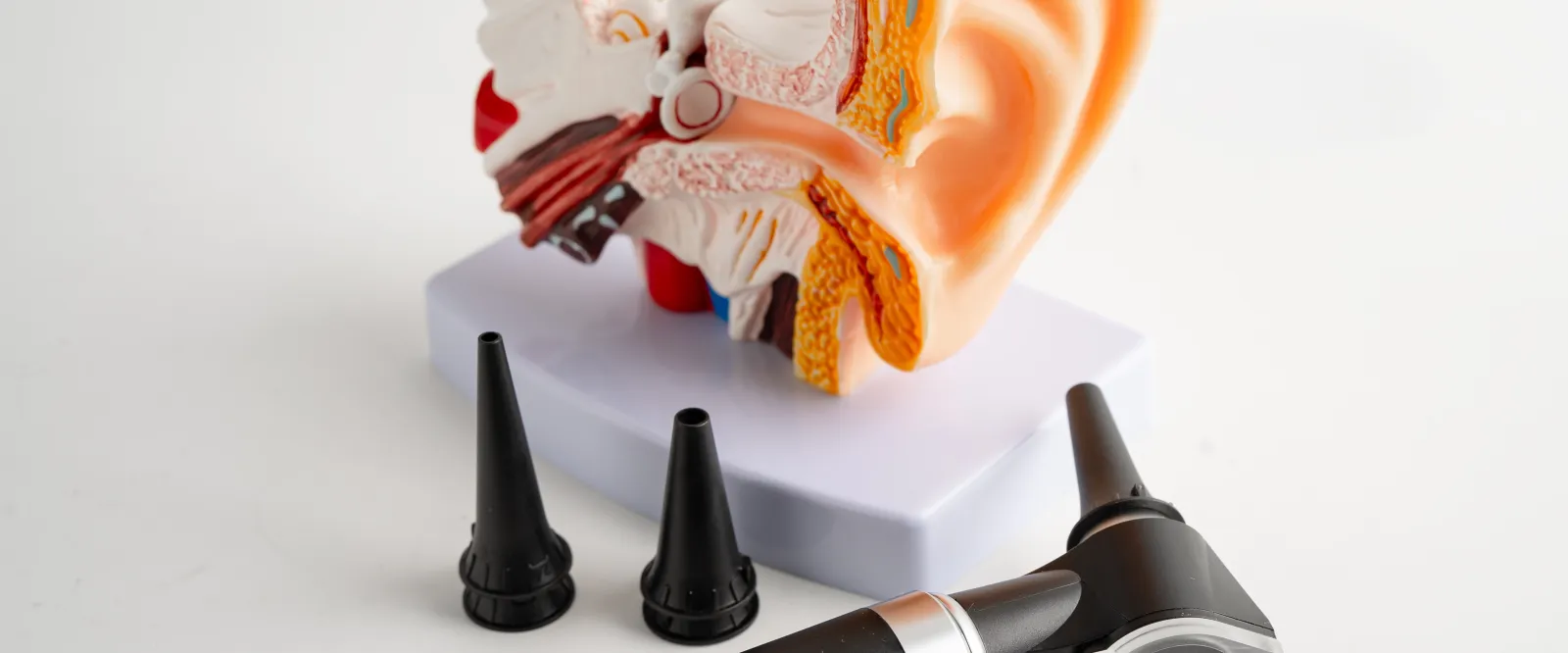
Pediatric ENT Problems

Pediatric ENT Problems
Going to the doctor can be scary for children and their families. That's why our expert physicians at ENT of Georgia South combine warm, compassionate, and friendly pediatric ENT care with our extensive pediatric experience to make our patients and their families as comfortable as possible. Ear, nose and throat problems are just as common for children as adults, and children are especially susceptible to chronic conditions such as ear infections, sinusitis and tonsillitis. Our physicians are experienced in working with children and meeting their unique health care needs. With our special blend of personal care, advanced technology and continuing education on the advances of pediatric ENT care, we maintain a commitment to our patients in every facet of our practice.
Ear, nose, and throat issues are among the most common reasons parents seek specialty care for their children. This guide is designed to help parents answer the most common questions we hear from families searching for a pediatric ENT Atlanta families can trust.
What are common ENT problems in children?
Children tend to experience the same cluster of ENT issues.
Ear infections in children are at the top of the list, especially if the child is under five. At this age, their eustachian tubes are short and more horizontal than in adults, which makes it easier for fluid to build up. Pediatric sinusitis is another common concern, often coming after a persistent cold. Beyond that, the next most common issues are:
- Chronic sore throats
- Tonsil problems
- Enlarged adenoids
- Hearing concerns
- Sleep-disordered breathing
Many of these conditions overlap; for example, a sore throat can be a sign of tonsil problems in kids. Seeing a specialist who focuses exclusively on children can make the diagnosis and treatment of these conditions more efficient.
When should my child see an ENT for ear infections?
It's normal for children to get an ear infection, and often, your pediatrician or PCP is more than qualified to deal with them. However, if your child has chronic ear infections, it may be time for an ENT evaluation. Three or more ear infections in six months, four or more in a year, or fluid behind the eardrum lasting more than three months are all signs warranting an ENT visit.
Lingering fluid behind the ears can muffle sound during language-development years, resulting in speech delays, causing a low score in a child's hearing test, and giving the child balance issues. Any of these symptoms is also a reason to see an ENT.
How do I know if my child needs ear tubes?
Ear tubes for children, also called tympanostomy tubes, are the most common pediatric surgery in the country. They're used when children have recurrent infections, chronic fluid buildup that affects hearing, or eardrum damage. The procedure only takes 10-15 minutes under light anesthesia, and most kids are back to normal activity the next day. The tubes are designed to fall out on their own after around six months. Improvements are almost immediate, with parents noticing fewer infections, better sleep, and improved hearing once the constant ear pressure is relieved.
What causes kids to snore or have breathing problems at night?
Occasional light snoring isn't a cause for concern, but loud, regular snoring deserves attention. The most common cause of kids' snoring is enlarged tonsils and adenoids. These sit at the back of the throat and nose and can block the airway during sleep. Other factors include allergies, chronic sinusitis, or a deviated septum.
Snoring can also be a sign of pediatric obstructive sleep apnea. Untreated sleep apnea in children can result in growth problems, learning difficulties, and attention issues. If your child experiences any of the following symptoms along with snoring, it's worth getting them checked for sleep apnea:
- Gasping
- Pauses in breathing
- Restless sleep
- Bedwetting
- Daytime fatigue
- Behavioral issues
How are tonsil and adenoid issues treated?
The treatment for tonsillar and adenoidal issues depends on the severity. Mild cases of inflammation or infection can often be managed with antibiotics or allergy treatment. However, tonsils and adenoids that are chronically infected or large enough to obstruct breathing are better treated by removal. Often, the procedures are done together and take about 30 minutes. The recovery process typically takes between a week and ten days, with the child getting plenty of fluids and eating soft foods. After healing, most families report improved sleep quality, fewer illnesses, and increased energy.
Image credit: // Shutterstock // sasirin pamai







Our Convenient
Office Locations
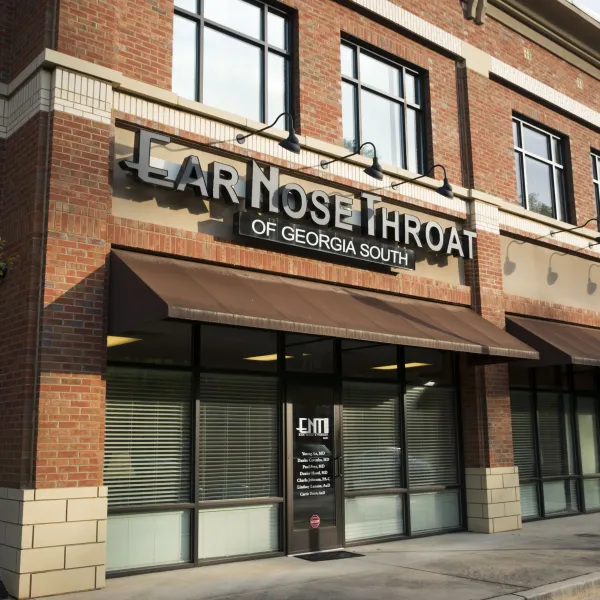


Buckhead
1218 W Paces Ferry Rd NW
UNIT 208
Atlanta, GA 30327
Monday - Thursday 8am - 4:30pm
Friday - 8am-2:30pm